
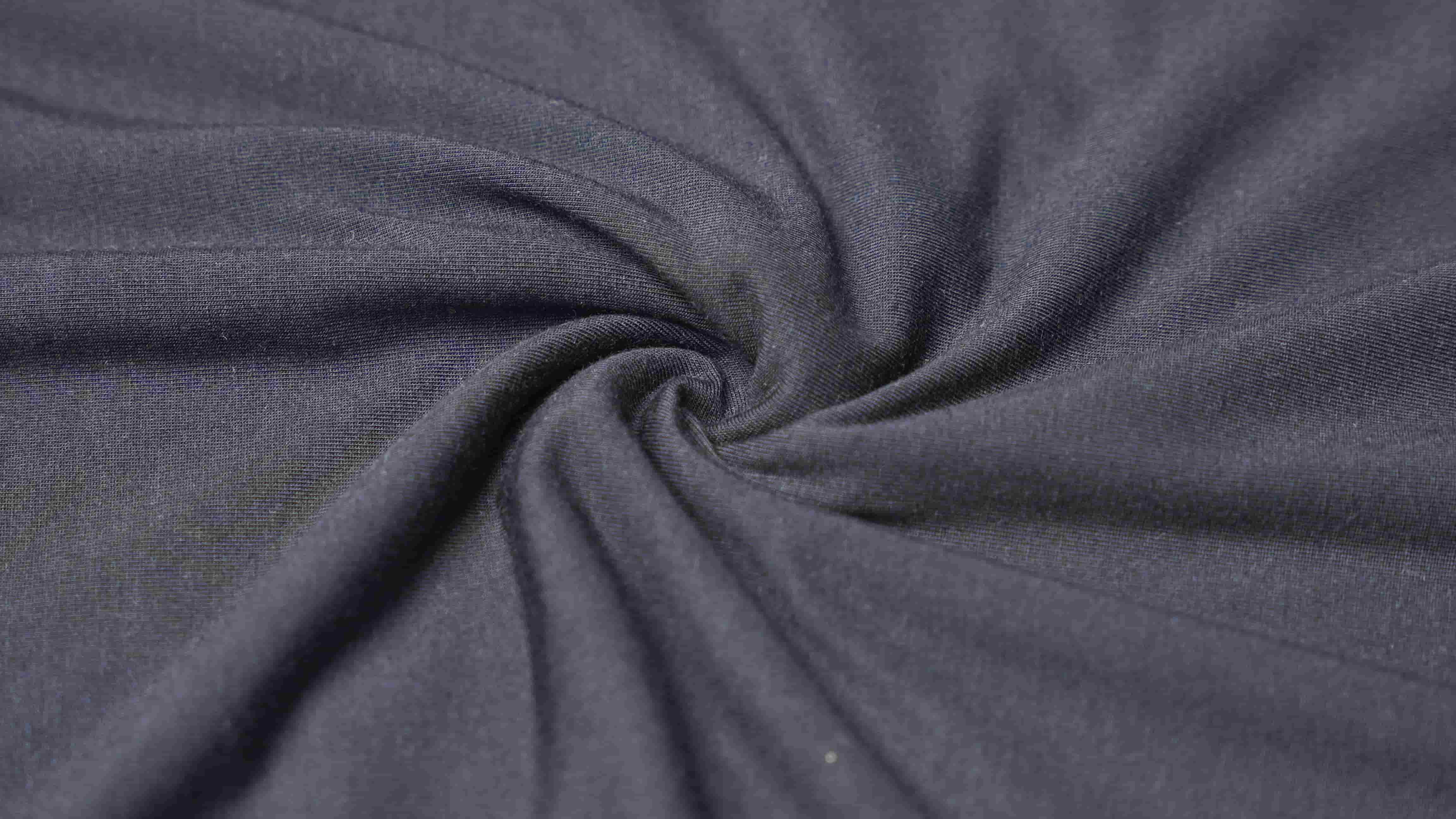
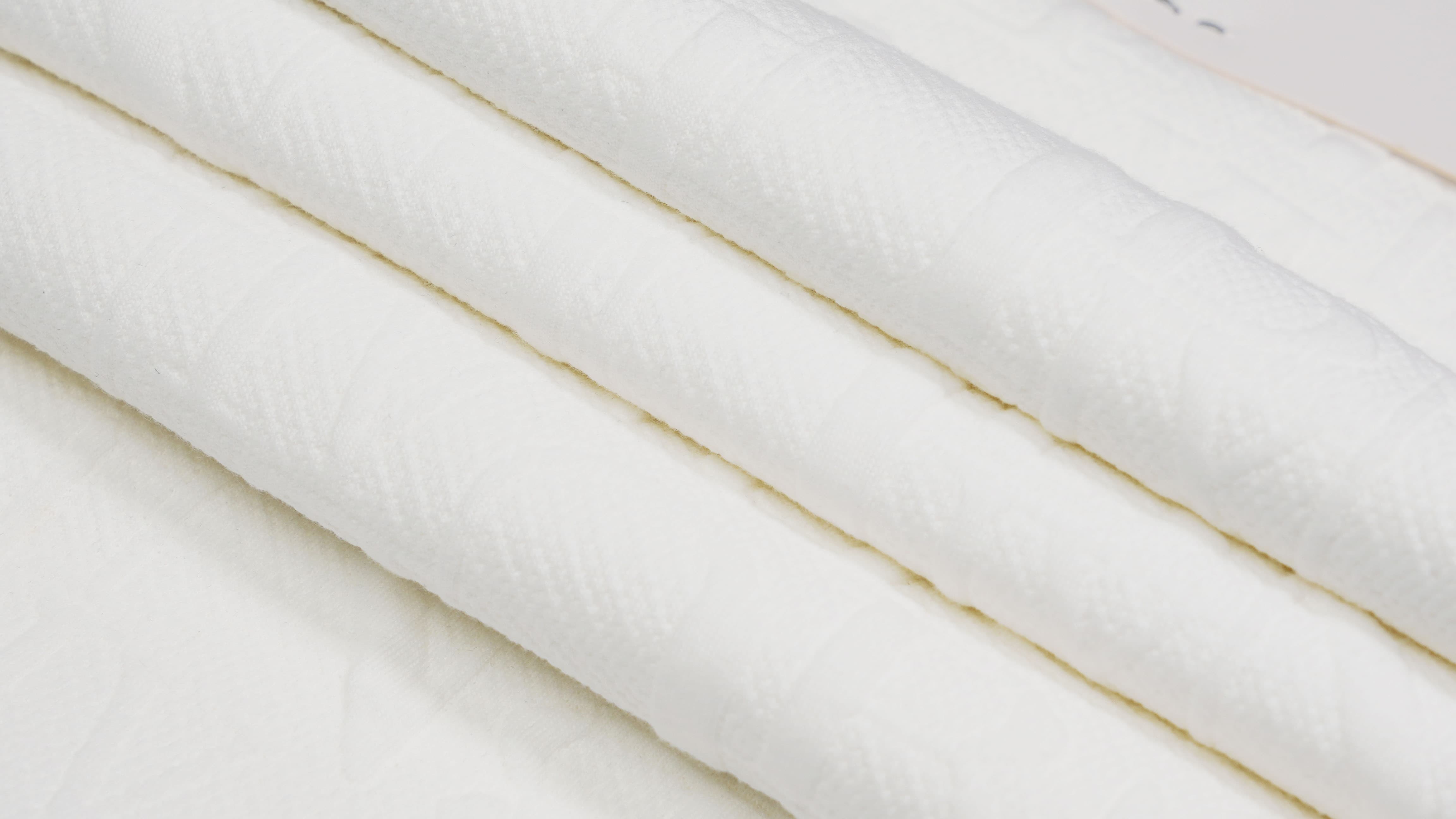
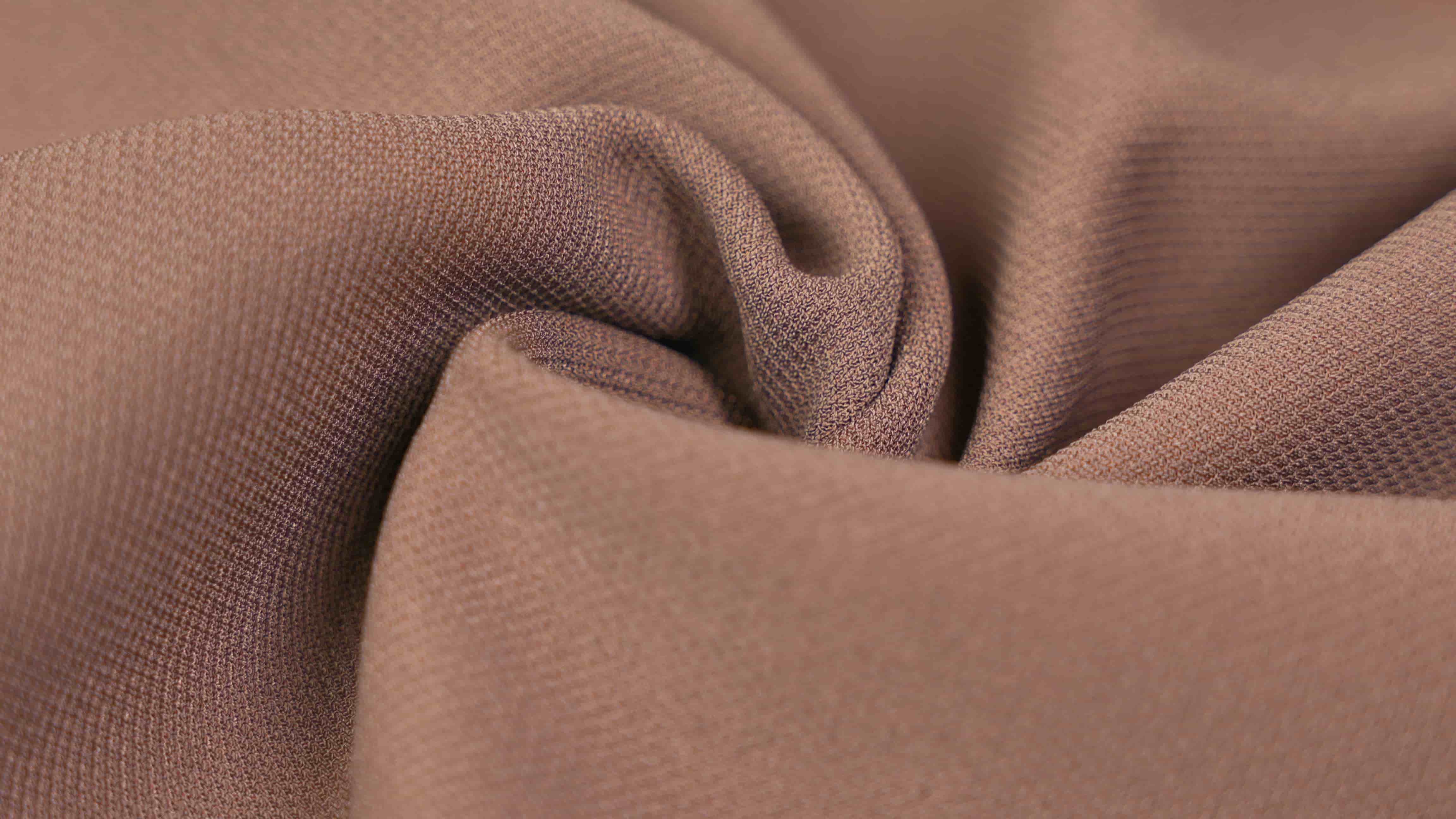
Sleepwear stays in close contact with the skin for hours each night, making fabric choice important for comfort, moisture management, and freshness. Synthetic blends such as polyester may offer low cost and wrinkle resistance, but they can retain heat and odor compounds during extended wear.
Antibacterial knit fabric offers an alternative by combining softness, breathability, moisture management, and antibacterial performance. Depending on its fiber composition and treatment technology, it can help limit bacterial growth and keep sleepwear fresher between washes.
What Makes Synthetic Blends a Problem for Sleepwear?
Synthetic fibers such as polyester, nylon, and acrylic are widely used for their durability, affordability, and easy-care properties. However, their moisture behavior can make them less suitable for sleepwear when breathability and next-to-skin comfort are priorities.
During sleep, the body naturally releases moisture. Unlike highly absorbent fibers, many synthetic fabrics have limited moisture absorption and can retain sweat and odor compounds on or within the fiber surface. This can leave sleepwear feeling warm or damp and may contribute to lingering odors during extended wear.
Research comparing textile fibers has also found differences in bacterial attachment and odor retention. Polyester, in particular, can retain certain odor compounds more readily than some natural fibers. However, actual performance depends on fiber type, yarn structure, fabric construction, and laundering conditions.
Skin comfort is another consideration. Synthetic sleepwear is not inherently unsafe, but some fabrics may feel less breathable or more irritating for people with sensitive skin. Dyes, finishes, blends, and garment construction can also influence how a fabric feels against the skin.
How Does Antibacterial Knit Fabric Address These Problems?
Antibacterial knit fabric is designed to combine antibacterial performance with the comfort and flexibility required for sleepwear. Depending on its fiber composition and antibacterial technology, it can help limit bacterial growth on the fabric and reduce conditions associated with persistent odor.
Rather than evaluating antibacterial performance based on fiber claims alone, buyers should consider the specific technology used, finished-fabric test results, wash durability, and chemical-safety documentation.
Advanced Antibacterial Finishing Technology
Some antibacterial knit fabrics use engineered antimicrobial treatments to provide measurable bacterial-control performance. Silver-ion technology is one established approach used in antimicrobial textiles. Silver ions can interfere with bacterial cell functions, helping inhibit bacterial growth on treated textile surfaces.
However, antibacterial performance varies by silver formulation, concentration, fabric construction, and testing method. Claims such as “100% inhibition” should therefore be supported by standardized laboratory reports specifying the test method, bacterial strains, and washing conditions.
For sleepwear applications, wash durability is particularly important. A fabric that maintains its antibacterial performance after repeated laundering provides greater practical value than one that performs well only when new.
Milk Protein Fiber Technology
Another approach uses milk protein fiber, a regenerated protein-based fiber made from casein and blended or knitted with other textile fibers. Depending on its formulation, milk protein fiber can contribute to a soft hand feel, moisture absorption, and comfortable next-to-skin performance.
Its suitability for sleepwear should still be evaluated based on the finished fabric rather than the fiber name alone. Factors such as fiber blend, yarn construction, knitting structure, finishing, and chemical safety all affect the final product.
When combined with an appropriate antibacterial technology, a soft knit construction can provide a useful balance of odor control, moisture management, stretch, and skin comfort—key considerations for sleepwear worn for several hours each night.
What Does the Science Say About Antibacterial Performance?
The antibacterial performance of antibacterial knit fabric should be evaluated through standardized laboratory testing rather than general claims. Results can vary depending on the antibacterial technology, fiber composition, fabric construction, bacterial strain, and test method.
Silver-ion-treated textiles, for example, can demonstrate strong antibacterial activity against organisms such as E. coli and S. aureus. However, claims such as “100% inhibition” should be supported by finished-fabric test reports that identify the testing standard, bacterial strains, and test conditions.
Wash durability is another important consideration for sleepwear. Antibacterial performance may change after repeated laundering, so buyers should review wash-durability testing to determine whether the fabric maintains its claimed performance over time. This is especially important when comparing integrated antimicrobial technologies with conventional surface treatments.
Market growth also indicates increasing interest in antimicrobial textiles. Industry estimates project continued expansion through 2030, driven by demand for textiles that combine hygiene-related performance with comfort and everyday functionality. For sleepwear manufacturers, however, verified fabric performance remains more important than market trends alone.
Antibacterial Knit Fabric vs. Synthetic Blends: A Direct Comparison
| Feature | Antibacterial Knit Fabric | Synthetic Blends (Polyester/Nylon) |
|---|---|---|
| Antibacterial Protection | Built-in, lasts 30+ washes | None (unless chemically treated) |
| Moisture Management | Absorbs and wicks moisture away | Traps moisture against skin |
| Breathability | Excellent | Poor to moderate |
| Skin Sensitivity | Hypoallergenic, non-irritating | Can cause irritation and inflammation |
| Odor Resistance | High—inhibits odor-causing bacteria | Low—bacteria thrive and produce odor |
| Comfort | Soft, often compared to silk | Can feel plasticky or rough |
| Durability of Protection | Soft, skin-friendly options available | Chemical finishes wash out |
| Environmental Impact | Biodegradable, renewable | Petroleum-based, non-biodegradable |
The differences are clear. Synthetic blends may be cheaper to produce, but they compromise on the qualities that matter most for sleepwear: comfort, hygiene, and long-term freshness.
Why Breathability and Temperature Regulation Matter for Sleep
Maintaining a comfortable body temperature can support better sleep quality. During the night, the body naturally releases heat and moisture, so sleepwear that allows air and moisture to move through the fabric can improve overall comfort.
Some synthetic blends, particularly fabrics with low moisture absorption, may feel warmer or damp during extended wear. Their performance also depends on fabric construction, yarn structure, and finishing, so not all polyester or nylon sleepwear behaves in the same way.
Antibacterial knit fabric can offer a more breathable option when its knit structure and fiber composition are designed for moisture management. The spaces within the knit can support airflow, while absorbent fibers can help distribute moisture across the fabric for evaporation.
Moisture management is particularly relevant for sleepwear. By helping move moisture away from the skin and supporting evaporation, a well-designed antibacterial knit fabric can reduce the sensation of dampness and improve next-to-skin comfort throughout the night.
The Hidden Costs of Synthetic Sleepwear
The cost of sleepwear involves more than its initial purchase price. Durability, laundering requirements, and material impact can also affect its long-term value.
Comfort and maintenance. Some synthetic fabrics can retain odor compounds or feel less breathable during extended wear. This may encourage more frequent washing, depending on the garment and how it is used.
Durability and product life. Synthetic fibers are generally durable, but the performance of any antibacterial treatment can change with repeated laundering. For manufacturers, fabric construction, finishing quality, and wash durability are therefore important factors when comparing materials.
Environmental considerations. Most conventional polyester and nylon are fossil-fuel-derived synthetic fibers and are not readily biodegradable. Textile washing can also contribute to microfiber release. At the same time, the environmental profile of an antibacterial knit fabric depends on its fiber source, manufacturing process, chemical management, and product lifespan.
For brands evaluating alternatives, the goal should not simply be to replace one fiber with another. A more useful approach is to compare comfort, antibacterial performance, moisture management, durability, and environmental impact across the complete product life cycle.
Antibacterial Knit Fabric for Children’s Sleepwear
Children’s sleepwear requires particular attention to softness, breathability, moisture management, and chemical safety because garments remain in close contact with the skin for extended periods.
Antibacterial knit fabric can be a suitable option for children’s sleepwear when its fiber composition and finishing are designed for next-to-skin comfort. A soft knit structure can reduce friction, while effective moisture management helps prevent the fabric from feeling excessively damp during sleep. Antibacterial performance may also help limit bacterial growth on the fabric surface.
For children’s applications, however, antibacterial performance should not be the only consideration. Buyers should also evaluate chemical-safety documentation, colorfastness, wash durability, fabric softness, and compliance with applicable children’s textile standards.
What to Look for in Antibacterial Knit Sleepwear
Not all antibacterial knit fabrics offer the same performance. When sourcing fabric for sleepwear, consider the following factors:
Verified antibacterial performance. Look for standardized test results showing bacterial reduction or inhibition on the finished fabric. Wash-durability testing is also important for products that require frequent laundering.
High-quality fiber base. Fiber selection affects softness, strength, moisture absorption, and overall comfort. Long-staple cotton combined with compact Siro-spinning technology can produce fine, uniform yarns with good strength and a smooth hand feel.
Suitable knit construction. Rib structures such as 1×1, 2×2, or 4×4 can provide stretch and recovery for close-fitting sleepwear. The appropriate construction depends on the garment design, yarn specification, and required level of elasticity.
Chemical safety. Children’s sleepwear should be evaluated for restricted substances, dyes, and finishing chemicals. Relevant safety documentation and certifications can provide stronger evidence than general claims such as “non-irritating” or “hypoallergenic.”
Odor and moisture management. Antibacterial activity should work alongside moisture management to help control odor and maintain a comfortable feel between washes. Finished-fabric testing can help buyers compare actual performance.
Which Antibacterial Knit Fabric Specifications Should Buyers Request?
When sourcing antibacterial knit fabric for sleepwear, buyers should request more than a basic fiber-content sheet. The following specifications can help verify performance, quality, and suitability for production:
Fiber composition and fabric weight. Confirm the exact fiber blend, yarn specification, and fabric weight (GSM). These factors affect softness, breathability, stretch, moisture management, and overall garment performance.
Antibacterial test results. Request a finished-fabric test report showing the testing standard, target bacterial strains, antibacterial result, and test conditions. This provides more reliable evidence than general claims about antimicrobial performance.
Wash durability. Ask whether antibacterial performance has been tested after repeated laundering and how many wash cycles were evaluated. For sleepwear, durability after washing is particularly important because garments are typically washed frequently.
Knit structure and specifications. Confirm the knitting structure, fabric width, gauge, and stretch or recovery requirements. Rib, jersey, and other knit constructions can provide different levels of elasticity, softness, and breathability.
Chemical-safety documentation. Depending on the target market, buyers should request relevant restricted-substance testing, chemical-safety reports, and applicable textile certifications. These documents can help verify suitability for prolonged skin contact and children’s sleepwear.
Moisture and comfort performance. Where moisture management is a key selling point, buyers can request test data for moisture absorption, wicking, drying behavior, air permeability, or related performance indicators.
Production consistency and customization. For repeat orders, ask about production tolerances, colorfastness, dimensional stability, minimum order quantities, available widths, and customization options. Consistent specifications from batch to batch are essential for maintaining garment quality.
A supplier that can provide clear technical specifications, finished-fabric test reports, and consistent production documentation gives buyers a stronger basis for comparing antibacterial knit fabric suppliers and selecting fabric for specific sleepwear applications.
How Antibacterial Knit Fabric Supports a More Comfortable Sleep Environment
Sleepwear can influence the comfort of the immediate environment because it remains in contact with the body and bedding for several hours each night.
When antibacterial knit fabric helps limit bacterial growth and manages moisture effectively, it can support fresher-feeling sleepwear and reduce the buildup of moisture and odor during extended wear. This can be particularly useful for children’s sleepwear, which may require frequent washing.
Moisture management is also important for bedding comfort. Sleepwear that absorbs and distributes perspiration effectively can help reduce the sensation of dampness against the skin and limit moisture transferred to sheets and other bedding.
Rather than claiming that antibacterial sleepwear eliminates allergens or prevents health problems, manufacturers should focus on measurable fabric properties such as antibacterial performance, moisture management, breathability, wash durability, and chemical safety. These provide a more reliable basis for evaluating sleepwear quality.
The Environmental Case for Antibacterial Knit Fabric
Sustainability has become an important consideration for sleepwear brands and consumers, but the environmental performance of a textile depends on more than its fiber type alone.
Antibacterial knit fabric can support more sustainable sleepwear when it combines responsibly sourced fibers with durable construction and appropriate manufacturing processes. Compared with conventional petroleum-based synthetics, fabrics made from renewable or partially bio-based fibers may offer advantages in terms of resource sourcing and end-of-life considerations, depending on how they are produced and processed.
Durability can also contribute to a product’s overall environmental performance. Sleepwear that maintains its softness, shape, and functional properties through repeated washing may need to be replaced less frequently, helping reduce material consumption and textile waste.
Antibacterial performance may provide an additional benefit when it helps garments remain fresher between washes. However, actual environmental savings depend on consumer washing habits, fabric care requirements, and the durability of the antibacterial performance.
For sleepwear brands and manufacturers, a more credible sustainability strategy is to evaluate fiber sourcing, production processes, chemical management, durability, wash performance, and relevant environmental certifications together. This provides a more complete basis for assessing the environmental value of antibacterial knit fabric.
Real-World Applications
The benefits of antibacterial knit fabric extend across several sleepwear applications, from children’s pajamas to travel-friendly loungewear.
For children’s sleepwear. Antibacterial knit fabric combines softness, breathability, and wash durability, making it suitable for pajamas that require frequent laundering and prolonged skin contact.
For sensitive-skin users. Soft, low-friction fabrics can improve comfort during extended wear. Buyers should also consider fabric composition, dyes, finishes, and chemical-safety documentation when selecting materials for sensitive skin.
For hot sleepers. Breathable knit structures and effective moisture management can help reduce the feeling of heat and dampness during the night, supporting a more comfortable sleep environment.
For travel and loungewear. Odor-resistant fabric can help sleepwear stay fresher between washes, making antibacterial knit fabric a practical option for travelers and consumers who prioritize easy-care garments.
The Bottom Line: Making the Switch
Synthetic blends remain popular for their affordability and easy care, but sleepwear increasingly demands more from its fabrics. Antibacterial knit fabric combines softness, breathability, moisture management, and antibacterial performance to support greater comfort and freshness during extended wear.
For sleepwear brands and manufacturers, the key is choosing a fabric with verified performance, consistent quality, and suitable safety documentation. If you are sourcing antibacterial knit fabric for pajamas, loungewear, or other next-to-skin applications, contact us to discuss your fabric specifications and sourcing needs.