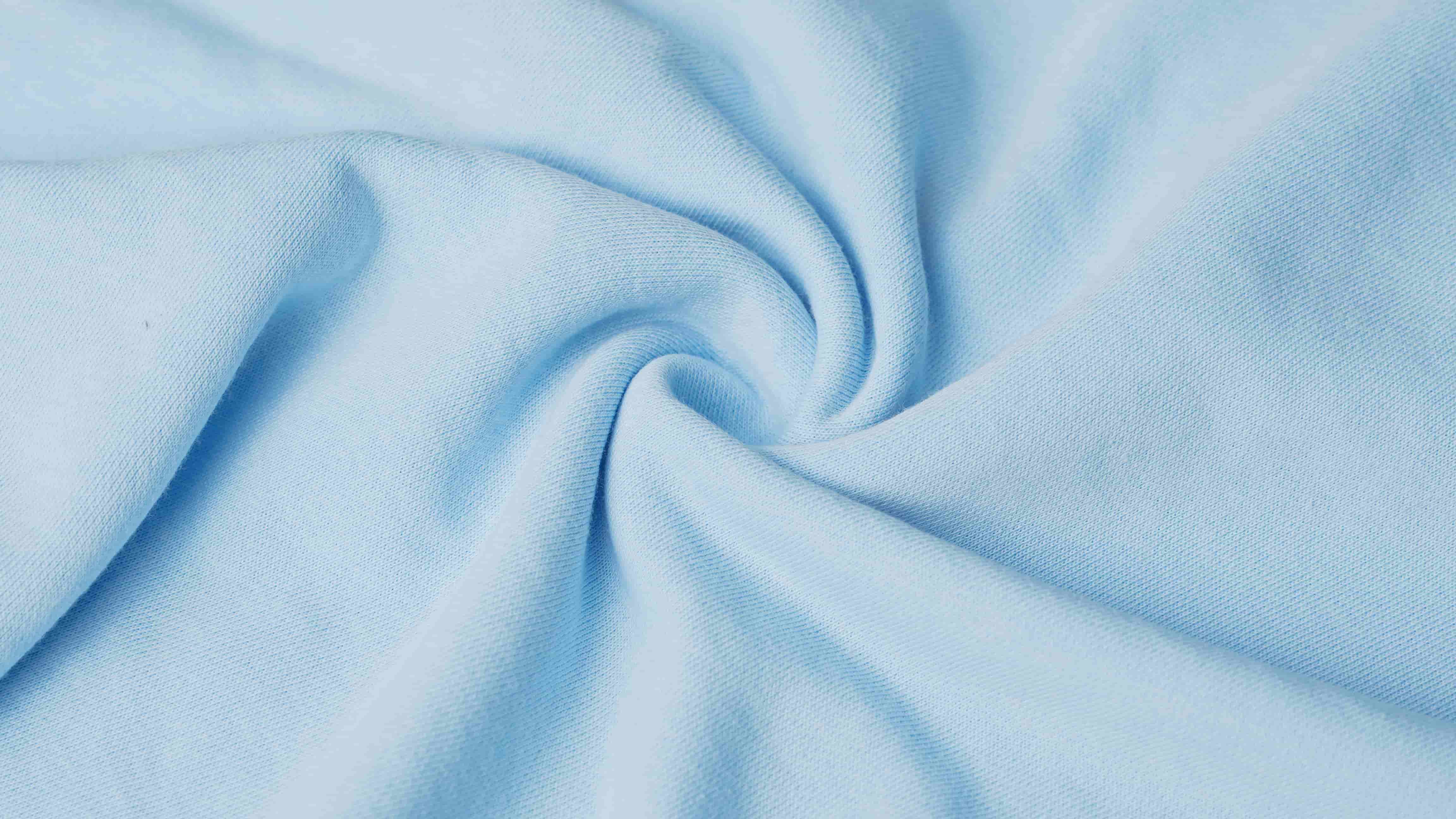
For apparel buyers sourcing sweaters and loungewear, fabric stretch performance directly affects garment quality, customer satisfaction, and brand reputation. When knitwear loses its shape after repeated washing, it can lead to higher returns and reduced product value. This raises an important question: does Jacquard Knit Fabric provide better shape retention than plain knit fabric?
The answer comes from its advanced structure and fiber composition. The cloud jacquard construction helps reduce yarn movement, while the cotton-wool blend combines cotton’s stability with wool’s natural elasticity to improve stretch recovery and dimensional stability.
This article explores how Jacquard Knit Fabric supports long-lasting shape retention through structural design, material advantages, and key sourcing considerations for sweaters and premium loungewear.
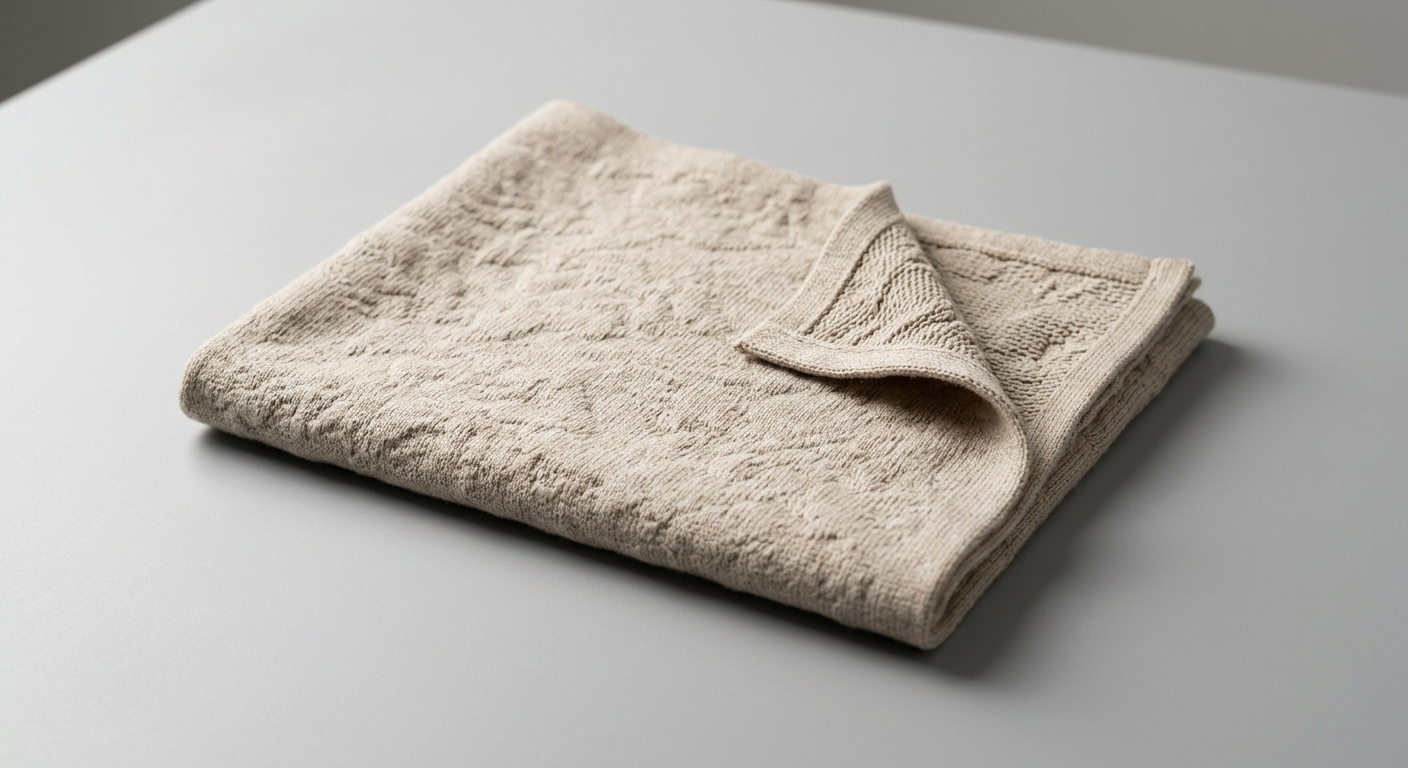
Understanding Knit Fabric Stretch: Jacquard vs Plain Knit Structure
Why Plain Knit Fabrics Are More Prone to Stretching
Plain knit, also known as jersey or single knit, is formed by a continuous arrangement of interlocking loops. This simple structure provides softness, flexibility, and cost efficiency, but the loose loop arrangement also allows yarns to shift more easily when exposed to repeated tension.
During wear, areas such as collars, cuffs, and elbows are often subjected to repeated stretching. Without additional structural support, plain knit fabrics may gradually lose their original shape, especially when produced with lighter yarns or lower stitch densities. This makes shape retention a key consideration for sweaters, loungewear, and other frequently worn knit garments.
How Cloud Jacquard Structure Improves Shape Retention
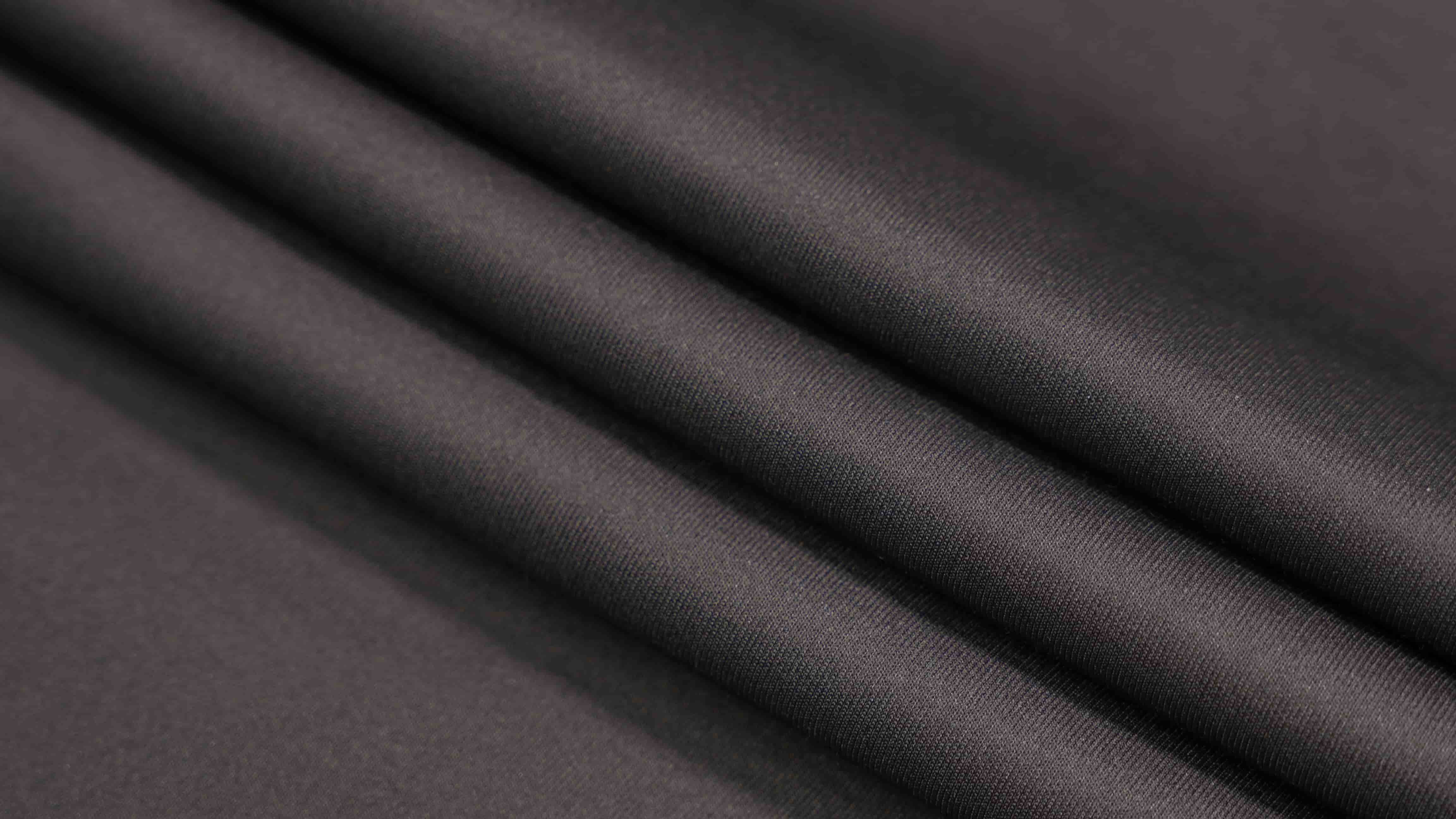
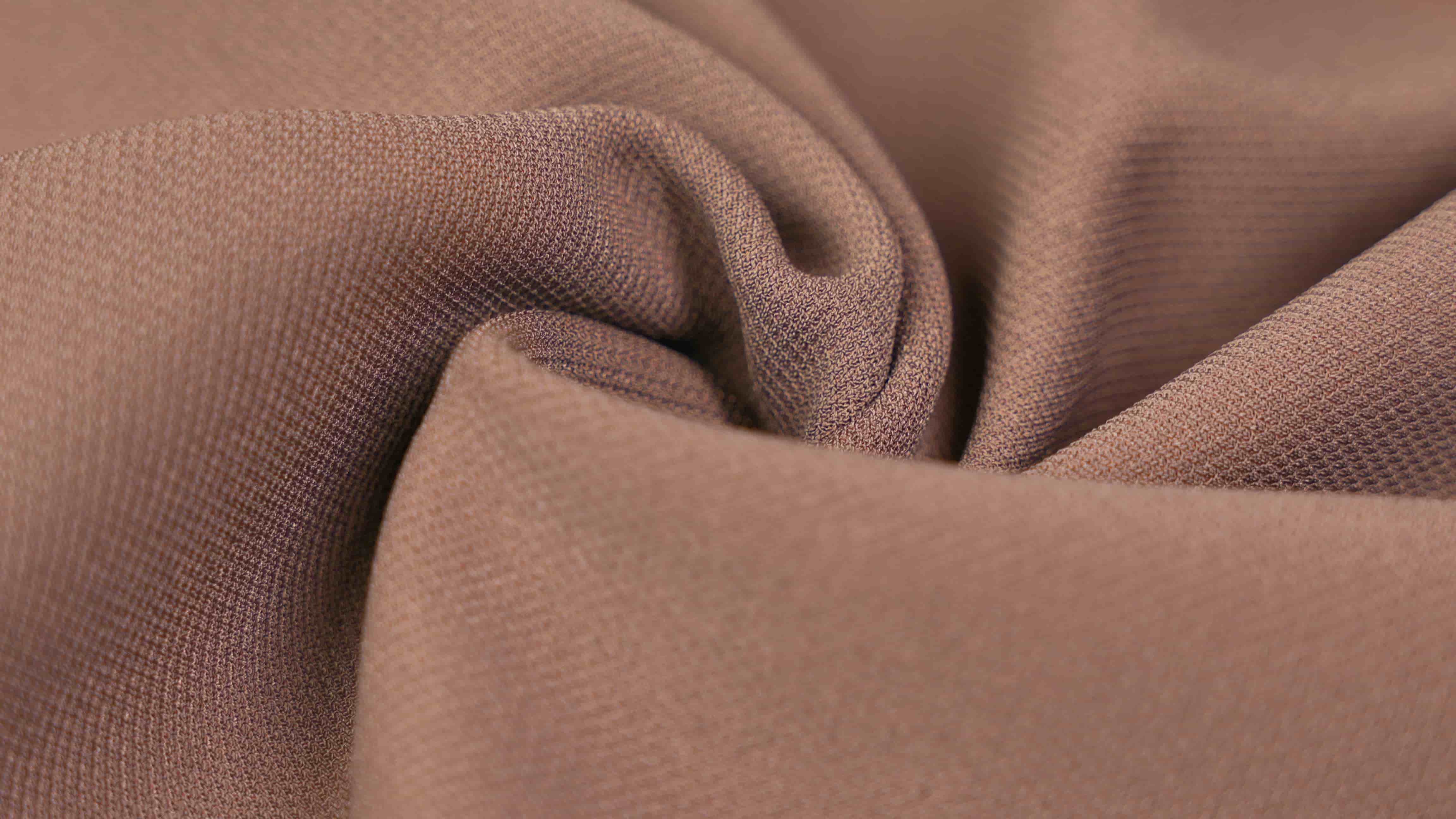
Unlike conventional plain knit, cloud jacquard construction uses a more complex knitting process that creates varied loop patterns and stronger internal connections within the fabric structure. These interlocking areas help reduce excessive yarn movement under tension and improve overall dimensional stability.
The cloud jacquard effect is achieved through programmed needle selection, creating raised textures and different loop density zones across the fabric surface. This structure helps distribute stress more evenly, reducing deformation in high-pressure areas and supporting better stretch recovery during daily wear.
As a result, Jacquard Knit Fabric can provide improved shape retention and durability compared with basic plain knit constructions, making it suitable for premium sweaters, loungewear, and other knitwear applications.
| Specification | Plain Knit | Cloud Jacquard Knit |
|---|---|---|
| Construction Type | Single-layer loop chain | Multi-layer interlocked float |
| Stitch Density | Low–Medium | Medium–High |
| Transverse Elongation | 60–100% | 30–45% |
| Elastic Recovery Rate | 70–80% (degrades with wear) | 88–95% (stable over cycles) |
| Suitable Categories | T-shirts, basic jersey | Sweaters, structured loungewear |
Material Composition & Its Role in Shape Retention
How Cotton-Wool Blends Improve Jacquard Knit Fabric Performance
Fabric structure is only one factor affecting stretch resistance. Fiber properties also play an important role in how well a knit fabric maintains its shape over time. The cotton-wool blend used in Jacquard Knit Fabric combines the stability of cotton with the natural recovery properties of wool to achieve balanced performance.
Cotton fibers provide strength and structural support, helping the yarn maintain its shape during repeated wear and washing. This stability helps reduce excessive fabric relaxation and supports better dimensional control in knit garments.
Wool contributes natural elasticity through its crimped fiber structure. Unlike synthetic stretch fibers, wool fibers can naturally compress and recover, helping the fabric return closer to its original form after tension is released. This makes wool an effective component for improving stretch recovery while maintaining a soft hand feel.
A properly developed cotton-wool blend allows manufacturers to balance durability, comfort, and shape retention. For sweaters, loungewear, and premium knitwear, this combination helps create fabrics that feel soft while maintaining a more consistent appearance throughout the garment lifecycle.
Wash Durability and Dimensional Stability Considerations
For sweater and loungewear buyers, dimensional stability after washing is a key factor when evaluating fabric quality. A fabric that performs well in initial testing but loses its shape after repeated laundering can affect garment appearance, customer satisfaction, and brand reputation.
When assessing Jacquard Knit Fabric, buyers should consider key performance indicators such as:
- Dimensional stability after washing to evaluate shrinkage and shape retention
- Pilling resistance to measure surface durability during repeated use
- Bursting strength to assess fabric strength under pressure
- Color fastness to ensure long-term appearance retention
Suppliers should provide relevant test reports based on recognized standards, such as ISO 12945-2 for pilling resistance, ISO 13938-1 for bursting strength, and ISO 105-C06 for color fastness. These evaluations help buyers select Jacquard Knit Fabric that meets the performance expectations of premium sweaters and loungewear collections.
Compliance Standards & Quality Specifications for Jacquard Knit Fabric Sourcing
Testing Standards Buyers Should Consider
For apparel buyers evaluating Jacquard Knit Fabric, performance claims related to stretch recovery, durability, and dimensional stability should be supported by recognized testing methods. Reviewing supplier documentation helps ensure the fabric meets the quality expectations of sweaters, loungewear, and premium knitwear applications.
Key standards to consider include:
- ASTM D2594: A test method for evaluating stretch and recovery properties of knitted fabrics. It helps assess how well a fabric returns to its original shape after tension.
- ISO 13934-1: Measures the tensile properties of fabrics using the strip method and helps compare strength performance between different fabric constructions.
- ISO 13934-2: Evaluates tensile properties using the grab method, which can provide additional insights into fabric performance in garment stress areas.
- OEKO-TEX Standard 100: Verifies that textile products meet chemical safety requirements and are tested for harmful substances. This certification is especially valuable for cotton-wool blends used in consumer-facing apparel.
For products entering European markets, buyers should also review compliance with REACH regulations, particularly regarding restricted substances used during textile processing, dyeing, and finishing.
Key Fabric Specifications to Review Before Ordering
Beyond certifications, buyers should evaluate technical specifications provided by Jacquard Knit Fabric suppliers before placing bulk orders. Important factors include:
- Fabric weight: The weight should match the intended application, as heavier constructions generally provide better texture definition and garment structure for sweaters and loungewear.
- Yarn count: Yarn selection influences surface appearance, softness, and jacquard pattern clarity. Appropriate yarn combinations help achieve a balance between comfort and durability.
- Stretch recovery performance: Testing data should be reviewed to understand how effectively the fabric returns to its original shape after repeated use.
- Gauge: Knitting gauge affects loop density, texture detail, and overall fabric hand feel.
- Fiber content verification: Third-party testing based on standards such as the ISO 1833 series can confirm the accuracy of stated fiber compositions, especially for cotton-wool blends.
By reviewing both compliance documents and technical specifications, buyers can better evaluate Jacquard Knit Fabric quality and select materials that deliver consistent performance in finished garments.
Fabric Care and Maintenance Considerations for Jacquard Knit Fabric
Proper care plays an important role in maintaining the appearance and performance of Jacquard Knit Fabric throughout its service life. Although the fabric structure provides improved shape retention, correct washing and drying methods help preserve fiber performance and surface texture.
For cotton-wool blend Jacquard Knit Fabric, buyers should consider recommending gentle washing procedures and appropriate care instructions for finished garments. Excessive heat, aggressive washing cycles, or improper drying methods may affect fiber recovery and overall garment appearance over time.
Clear care guidance not only helps end users maintain garment quality but also reduces avoidable complaints related to shrinkage, surface changes, or loss of shape. For brands developing premium sweaters and loungewear, providing suitable care instructions is an important part of delivering long-term product value.
Application Scenarios & Commercial Value
Why Shape Retention Matters for Sweaters and Loungewear
For sweaters and premium loungewear, fabric shape retention has a direct impact on garment appearance, customer satisfaction, and brand perception. Knitwear that loses its original silhouette after repeated wear or washing may lead to customer complaints and reduced product value.
For apparel brands and sourcing teams, selecting Jacquard Knit Fabric with reliable dimensional stability can help improve garment durability and create a better wearing experience. Fabrics that maintain their structure over time support premium product positioning while helping brands build consumer trust.
Beyond performance, the cloud jacquard texture provides visual differentiation compared with basic plain knit fabrics. Its raised patterns and dimensional surface create a more refined appearance, allowing brands to achieve a premium look without relying on additional decorative techniques such as embroidery or appliqué.
MOQ, Lead Time, and Sourcing Considerations for Jacquard Knit Fabric
Compared with plain knit fabrics, Jacquard Knit Fabric usually requires more complex knitting processes, including customized needle programming and multi-yarn arrangements. These factors can influence production efficiency, pricing, and development timelines.
MOQ, production lead time, and customization options may vary depending on factors such as pattern complexity, fiber composition, and supplier capabilities. Buyers should confirm key details with suppliers, including:
- Minimum order quantities for stock and customized designs
- Sampling and approval timelines
- Available yarn options and fabric constructions
- Production capacity for repeat orders
For seasonal sweater and loungewear collections, early communication with suppliers is essential to ensure sufficient time for sampling, testing, and bulk production. Working with suppliers that offer stable stock programs or repeat-order support can also improve sourcing flexibility and inventory management.
What to Evaluate When Choosing a Jacquard Knit Fabric Supplier
Selecting the right supplier involves more than comparing fabric prices. Apparel brands should evaluate production capability, material expertise, quality control processes, and customization support before placing bulk orders.
Key factors to consider include:
- Fabric development capability: Suppliers should be able to provide customized jacquard patterns, fiber blends, and fabric structures based on product requirements.
- Quality consistency: Stable production processes and inspection procedures help ensure consistent color, texture, and dimensional performance across bulk orders.
- Testing support: Suppliers that provide relevant fabric testing documentation can help buyers verify performance before large-scale production.
- Customization flexibility: Options for yarn selection, pattern adjustment, and finishing treatments allow brands to create differentiated knitwear collections.
A reliable Jacquard Knit Fabric supplier can support not only fabric sourcing but also product development, helping brands achieve better quality control and faster market response.
FAQ
1. Does Jacquard Knit Fabric stretch more or less than plain knit fabric after repeated wear?
Jacquard Knit Fabric stretches significantly less than plain knit under equivalent conditions. The multi-layer interlocking structure physically constrains yarn displacement, limiting transverse elongation to 30–45% versus 60–100% for plain knit. More importantly, the elastic recovery rate remains stable at 88–95% even after repeated wear and wash cycles, whereas plain knit recovery degrades progressively with use.
2. What cotton-to-wool blend ratio offers the best balance of softness and stretch resistance?
A ratio of 70–80% cotton to 20–30% wool delivers the optimal performance balance for sweater and loungewear applications. This range preserves cotton’s structural rigidity while providing sufficient wool crimp content for durable elastic recovery. Blends with less than 15% wool sacrifice recovery performance; blends exceeding 35% wool may increase cost and care complexity without proportional performance gains.
3. How should I test a supplier’s Jacquard Knit Fabric for dimensional stability before placing a bulk order?
Request fabric swatches of at least 50 × 50 cm and conduct in-house wash testing per ISO 6330 (domestic washing procedures) at the garment’s intended care label temperature. Measure dimensions before and after 5 and 20 wash cycles. Require supplier test reports per ASTM D2594 for stretch and recovery, and ISO 12945-2 for pilling resistance. For high-volume orders, commission independent third-party laboratory verification before approving bulk fabric.
Conclusion
Jacquard Knit Fabric provides better shape retention than plain knit through the combination of advanced jacquard construction and cotton-wool fiber performance. The interlocking structure helps improve dimensional stability, while the wool component supports natural stretch recovery and long-lasting comfort for sweaters and premium loungewear.
For apparel brands and sourcing teams, selecting the right fabric specification and verifying key quality standards can help achieve more durable, better-performing garments. If you are looking for reliable Jacquard Knit Fabric solutions with customized compositions and designs, contact our textile team to discuss your project requirements.