
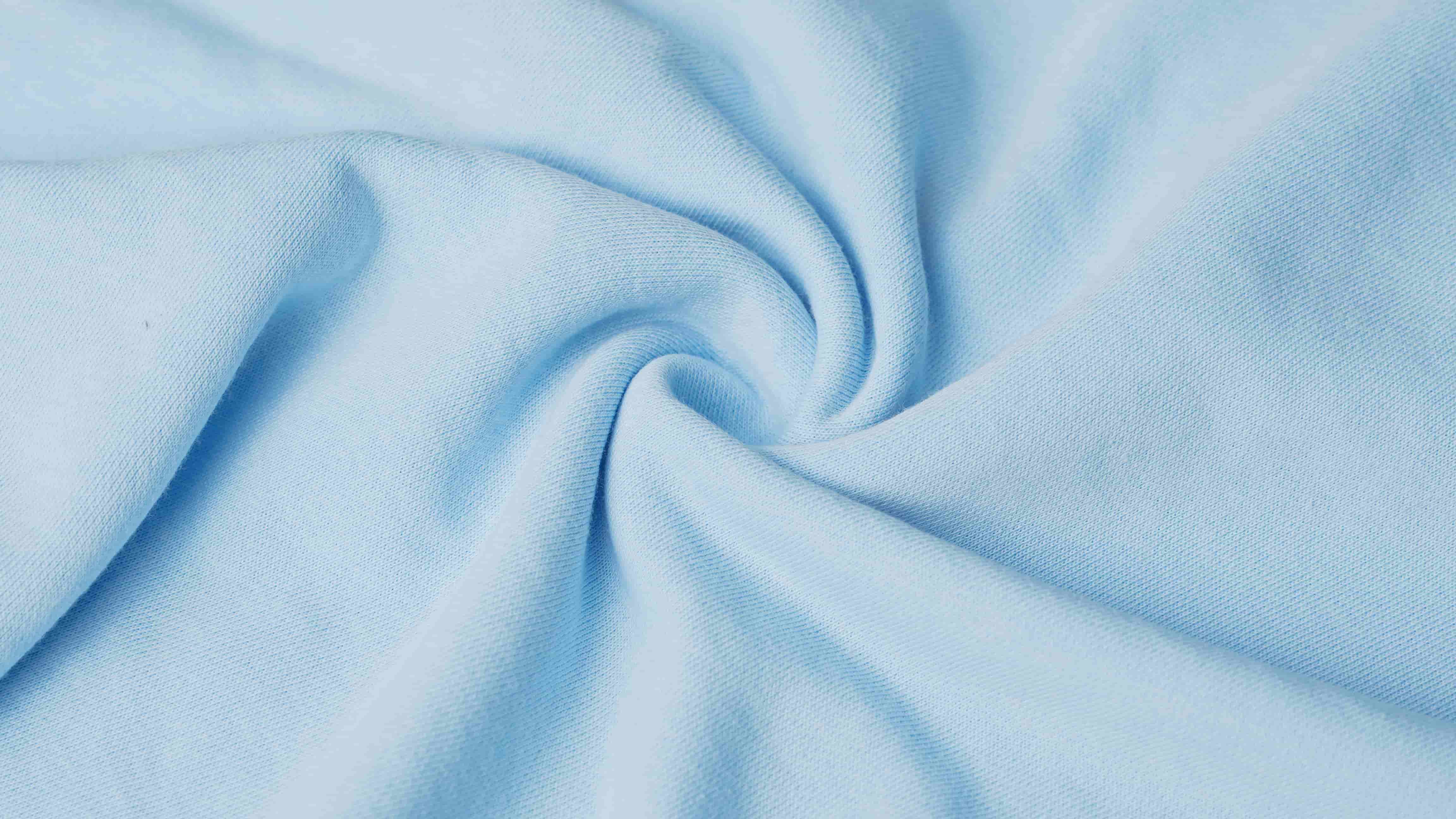
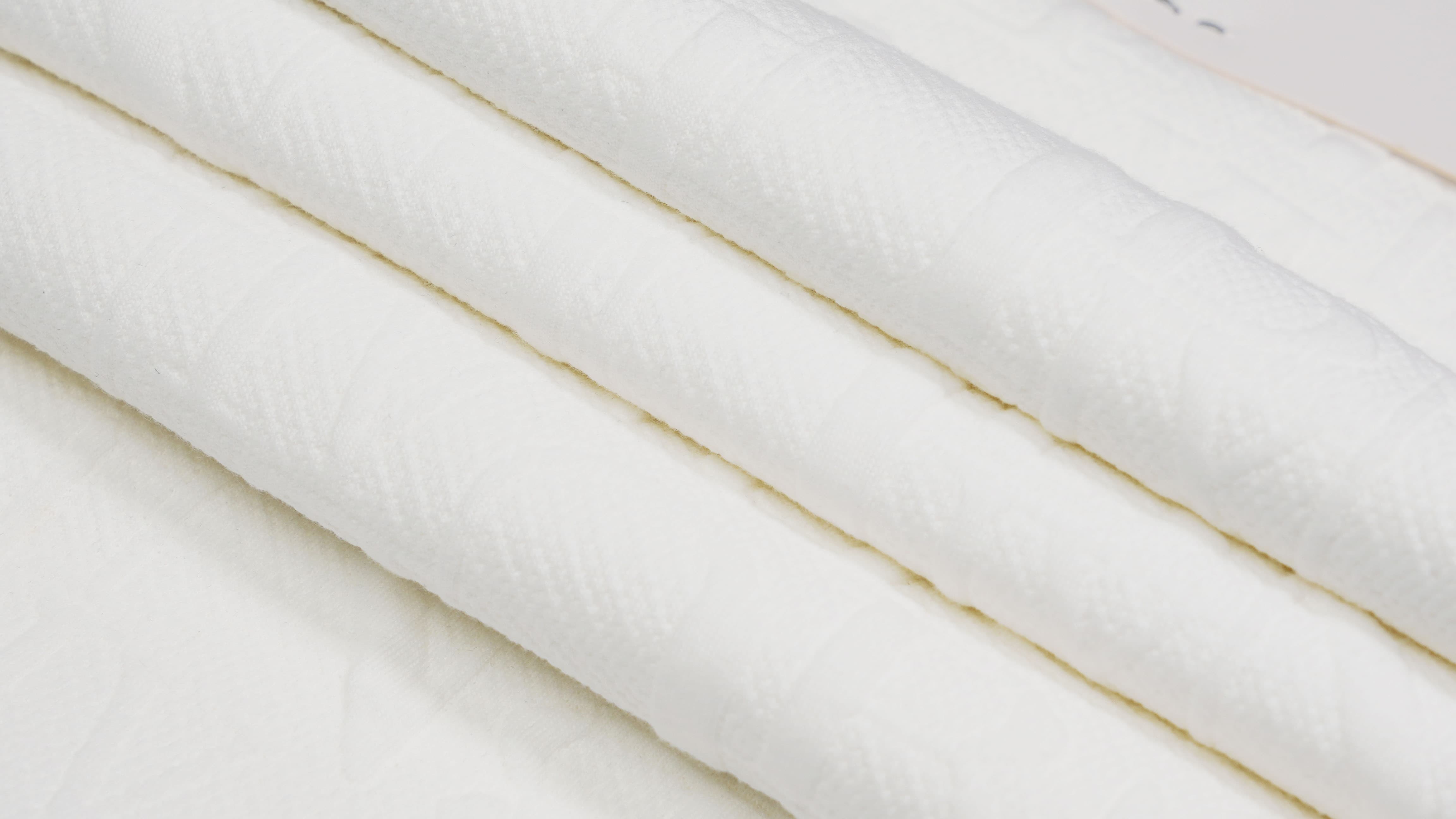
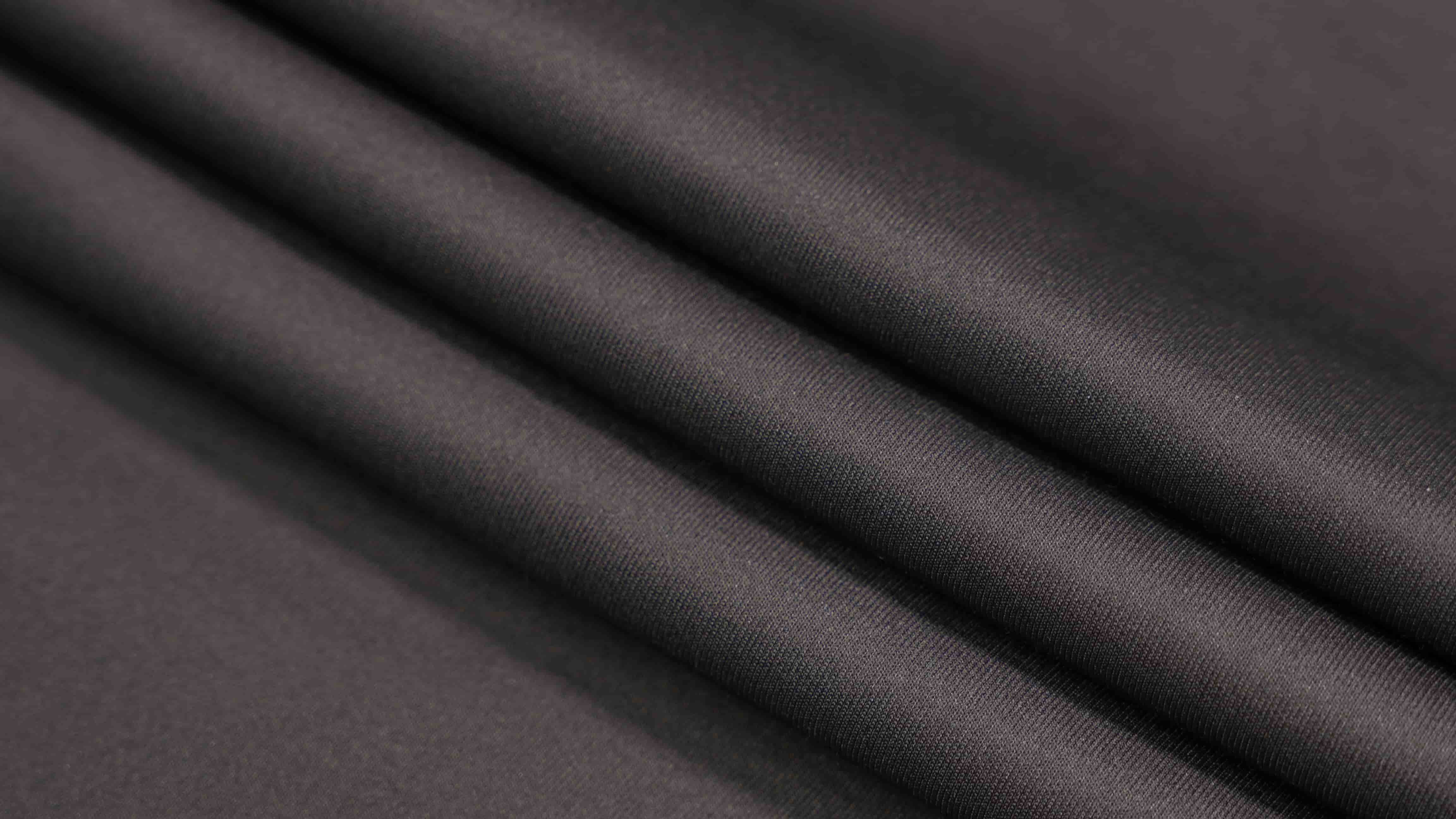
A cotton wool blend knit fabric can be machine washed, but only with the right care methods. Unlike regular cotton fabrics, this blend combines cotton’s softness and breathability with wool’s warmth and resilience, which means it requires more careful control of temperature, washing cycle, and drying conditions.
An 80% cotton and 20% wool composition is commonly used in premium knit fabrics because it balances comfort, durability, and dimensional stability. However, since cotton and wool react differently to moisture, heat, and agitation, improper washing can lead to shrinkage, felting, or changes in fabric shape.
Machine washing itself will not ruin a cotton wool blend knit fabric — the problem is using the wrong settings. With proper care, this type of jacquard knit fabric can maintain its softness, texture, and performance through repeated use.
Why Cotton and Wool Require Different Care During Washing
Cotton and wool behave differently when exposed to water, heat, and mechanical action. Cotton fibers absorb moisture, swell, and may cause dimensional changes after washing. Wool fibers, meanwhile, have natural surface scales that can interlock under heat and agitation, creating a felting effect that leads to shrinkage.
This is why washing a blend requires more care than washing a pure cotton fabric. Cotton-based knitted fabrics often experience the greatest dimensional changes during the first wash cycle, while wool is more sensitive to high temperatures and aggressive movement.
The good news is that a well-designed cotton wool blend knit fabric balances the characteristics of both fibers. Cotton improves softness, breathability, and fabric stability, while wool contributes warmth, resilience, and improved shape retention. When combined with advanced structures such as double-layer jacquard knitting, the blend achieves better dimensional stability and durability than many single-fiber alternatives.
How Cotton and Wool Behave in the Wash
| Fiber | Shrinkage Type | What Causes It | How Blending Helps |
|---|---|---|---|
| Cotton | Relaxation shrinkage | Fiber swelling, yarn crimp increase | Wool reduces overall swelling |
| Wool | Felting shrinkage | Scale interlocking, agitation | Cotton dilutes scale density |
| Cotton-Wool Blend (80/20) | Minimal, controlled | Balanced fiber interaction | Each fiber stabilizes the other |
What Research Says About Washing Cotton Wool Blend Knit Fabric
If you are still concerned about putting your cotton wool blend knit fabric into a washing machine, scientific research provides useful insights into how these blended fibers respond during laundering.
A comprehensive study on double-weft knitted cotton and wool fabrics found that fiber composition, knit structure, and washing conditions all have a significant impact on fabric performance after washing. Researchers tested samples using different washing programs, including a cotton cycle at 30°C and a wool cycle at 20°C, to evaluate changes in dimensional stability and fabric structure.
The results showed that wool fabrics generally maintained better stability after washing, especially in 1×1 rib structures. Cotton fabrics experienced more noticeable changes due to moisture absorption, fiber swelling, and yarn relaxation during washing. However, the key advantage of a cotton-wool blend is that each fiber helps balance the limitations of the other. Wool improves warmth, elasticity, and dimensional stability, while cotton enhances softness, breathability, and reduces the risk of excessive felting.
For a well-developed cotton wool blend knit fabric, this means machine washing is possible when suitable temperatures, gentle cycles, and proper care methods are applied.

Why 80% Cotton and 20% Wool Is a Popular Blend Ratio
Not all cotton-wool blends are designed with the same performance goals. The 80/20 cotton-wool ratio commonly used in premium cotton wool blend knit fabric is carefully selected to create a balance between comfort, durability, and wash performance.
Cotton is a hydrophilic fiber that absorbs moisture easily, providing softness, breathability, and a comfortable hand feel. Wool, while having a water-resistant outer surface, can absorb moisture internally and provides natural insulation, elasticity, and recovery properties.
With 80% cotton content, the fabric maintains the lightweight comfort and everyday usability of cotton. The 20% wool content adds warmth, improves wrinkle resistance, enhances shape retention, and increases resistance to wear compared with pure cotton knit fabrics. At the same time, the wool percentage remains low enough to reduce the risk of excessive felting during washing.
The result is a cotton wool blend knit fabric that combines the softness and breathability of cotton with the warmth and performance benefits of wool, making it suitable for premium knitwear, loungewear, and bedding applications.
Machine Wash Settings That Actually Work
Once you have selected a quality cotton wool blend knit fabric, the washing process becomes the key factor in maintaining its appearance and performance.
- Temperature matters most. Keep the washing temperature at 30°C or below whenever possible. While some specially treated blends may tolerate 40°C under gentle conditions, cooler water is safer because high temperatures can accelerate cotton shrinkage and trigger wool felting.
- Choose the correct washing cycle. Wool, delicate, or hand-wash programs are recommended because they use lower mechanical action and reduced spin speeds. These settings help protect the knitted structure and maintain the fabric’s original dimensions.
- Turn the fabric inside out before washing. This simple step reduces surface friction and helps protect the texture and pattern of jacquard knit fabrics, especially on premium double-layer knitted structures.
- Use a suitable detergent. Regular detergents may contain stronger cleaning agents that can affect wool fibers over time. A mild detergent formulated for wool or delicate textiles helps preserve softness, elasticity, and pilling resistance. Avoid fabric softeners, as they can leave residue on fibers and reduce long-term fabric performance.
- Use a mesh laundry bag when possible. Knit fabrics are more vulnerable to stretching, snagging, and abrasion than woven fabrics. A mesh bag creates an additional protective layer during machine washing and helps maintain the quality of your cotton wool blend knit fabric.
What About Shrinkage? Understanding the Real Numbers
Shrinkage is one of the most common concerns when caring for knitted textiles, especially blended fabrics containing both cotton and wool.
Cotton-based knitted fabrics usually experience the greatest dimensional changes during the first washing cycle. This is not necessarily a quality issue — it is a natural response of the fiber structure. When cotton absorbs water, the fibers swell and the knitted yarns relax from their original tension, which can cause the fabric to contract.
However, a well-developed cotton wool blend knit fabric is designed to control these changes. Professional manufacturers often apply pre-shrinking treatments and fabric stabilization processes during finishing to reduce post-wash dimensional variation. In addition, a double-layer jacquard knit structure provides better structural support, as denser and more complex knitting patterns generally maintain their shape better than loose knitted constructions.
For quality control, textile manufacturers commonly refer to ISO 6330:2021 washing procedures when evaluating dimensional stability. Under controlled testing conditions, properly produced cotton-wool blends typically show shrinkage within a manageable range of around 3–5% in length and width, depending on fiber ratio, knit structure, and finishing treatment.
For buyers sourcing cotton wool blend knit fabric, understanding shrinkage performance before production is essential to ensure consistent sizing, appearance, and long-term customer satisfaction.
Recommended Wash Settings for Cotton Wool Blend Knit Fabric
| Setting | Recommendation | Why |
|---|---|---|
| Water temperature | 30°C (cold) maximum | Prevents cotton swelling and wool felting |
| Wash cycle | Wool, delicate, or hand wash | Gentler agitation protects knit structure |
| Spin speed | Low (600-800 RPM) | Reduces mechanical stress on fibers |
| Detergent | Wool-specific or mild delicate | Harsh detergents damage wool scales |
| Fabric softener | Never | Coats fibers, causes pilling |
| Drying | Lay flat, never tumble | Heat and tumbling cause felting and shrinkage |
| Mesh bag | Always | Protects from snagging and abrasion |
Drying: The Step That Determines Long-Term Fabric Performance
Washing is only part of the care process. How you dry your cotton wool blend knit fabric has an equally important impact on shrinkage, shape retention, and overall fabric performance.
Avoid tumble drying whenever possible. High heat and continuous tumbling create ideal conditions for wool felting and dimensional changes. Even if the fabric performs well during washing, excessive dryer heat may affect the knit structure and surface appearance. For wool-containing textiles, flat drying is widely recommended to help preserve fiber stability.
Lay the fabric flat to dry. While the material is still damp, gently reshape it and place it on a clean towel or drying rack. This helps maintain the original dimensions and prevents stretching caused by the weight of absorbed water. Hanging knitted fabrics can place unnecessary stress on the yarn structure and lead to distortion.
Avoid direct sunlight exposure. Extended UV exposure may gradually weaken both cotton and wool fibers and affect color durability. Drying in a shaded, well-ventilated area helps protect the fabric’s softness and appearance.
Allow sufficient drying time. A cotton wool blend knit fabric may take longer to dry than pure cotton because wool manages moisture differently. This is a natural characteristic of wool-containing textiles and does not indicate poor fabric performance.
Real-World Applications: Where Cotton Wool Blend Knit Fabric Performs Best
Understanding proper care is important, but the real value of a cotton wool blend knit fabric comes from how it performs in everyday applications.
- Durable loungewear. Premium joggers, sweaters, and hoodies benefit from the balance of cotton and wool fibers. The cotton provides softness and breathability, while the wool content adds warmth, elasticity, and improved wear resistance. With proper care, these garments can maintain comfort and appearance through repeated use.
- Comfortable bedding solutions. Wool’s natural insulation properties help retain warmth, while cotton improves airflow and moisture management. A cotton wool blend knit fabric used for blankets, throws, or bedding products provides a cozy feel without excessive heat buildup, making it suitable for seasonal comfort applications.
- Premium garments with better shape retention. Double-layer jacquard knitting creates a structured yet soft surface with excellent drape and texture. Compared with some pure wool knits that may lose shape over time, the cotton content helps improve stability and makes the fabric more practical for long-term wear.
How to Choose a Reliable Cotton Wool Blend Knit Fabric Supplier?
Selecting the right cotton wool blend knit fabric supplier is essential for ensuring consistent quality, durability, and performance. A reliable supplier should provide more than competitive pricing—they should have strong control over fiber selection, knitting technology, finishing processes, and quality testing.
Verify Fiber Composition and Material Quality
A trustworthy supplier should clearly specify the fiber ratio, such as 80% cotton and 20% wool, along with detailed yarn information and testing data. The quality of raw materials directly affects softness, warmth, shrinkage control, and long-term durability.
Avoid suppliers that only describe fabrics as “cotton blend” or “wool-like” without providing clear composition details.
Check Knitting Structure and Fabric Performance
The knitting structure has a major impact on the final fabric quality. Advanced techniques such as double-layer jacquard knitting can improve:
- Dimensional stability
- Surface texture
- Shape retention
- Overall durability
An experienced cotton wool blend knit fabric manufacturer should be able to recommend suitable structures based on your application, including knitwear, loungewear, blankets, or bedding products.
Request Testing Data and Samples
Before bulk production, always evaluate fabric samples and review key performance data, including:
- Shrinkage rate
- Pilling resistance
- Color fastness
- Wash durability
A professional supplier should support sample testing and provide quality verification to reduce production risks.
Consider Finishing Processes and Production Consistency
Finishing treatments such as pre-shrinking, softening, and stabilization play an important role in maintaining fabric performance. A reliable cotton wool blend knit fabric supplier should have strict quality control procedures to ensure consistent texture, weight, and appearance across different production batches.
Choosing the right supplier is not only about finding a fabric source—it is about finding a long-term partner who understands fiber performance, manufacturing requirements, and end-product expectations.
Common Mistakes That Can Damage Cotton Wool Blend Knit Fabric
Knowing what to avoid is just as important as knowing the correct washing method. Even a high-quality cotton wool blend knit fabric can lose its softness, shape, and durability when exposed to improper care conditions.
Washing with hot water
This is one of the most common causes of damage in cotton-wool blended knits. Excessive heat can accelerate cotton shrinkage while increasing the risk of wool felting. The result may include reduced dimensions, a tighter surface structure, and permanent changes to the fabric’s original appearance.
Using unsuitable detergents
Regular laundry detergents may contain strong enzymes, bleaching components, or harsh cleaning agents that can gradually affect wool fibers. Over time, this may reduce softness, weaken the fabric structure, and increase the risk of surface damage.
Overloading the washing machine
A cotton wool blend knit fabric requires enough space for gentle movement during washing. Overcrowded loads create additional friction between fabrics, which can contribute to pilling, stretching, and loss of surface quality.
Ignoring care instructions
Not all cotton-wool blends have identical performance characteristics. Some fabrics may include special finishing treatments that improve washability, while others require more delicate handling. Always follow the supplier’s recommended care guidelines to maintain the expected performance of the fabric.
Conclusion
A cotton wool blend knit fabric can be machine washed when it is properly engineered and cared for. The combination of an 80/20 cotton-wool composition and advanced knitting techniques, such as double-layer jacquard, provides better dimensional stability, durability, and pilling resistance than many pure wool alternatives.
The key is simple: use cold water, a gentle cycle, mild wool detergent, and flat drying. With the right care routine, your cotton wool blend knit fabric can maintain its softness, warmth, and shape through repeated use.
For designers, manufacturers, and brands selecting fabrics for loungewear, bedding, or premium garments, choosing the right blend ratio, knit structure, and finishing process is essential. Always test samples for shrinkage, pilling, and wash performance before bulk production.
Looking for a premium cotton wool blend knit fabric that combines comfort, durability, and easy-care performance? Choose a supplier that understands fiber engineering, advanced knitting technology, and real-world application needs—so your final products deliver lasting quality, not just a great first impression.