Abstract
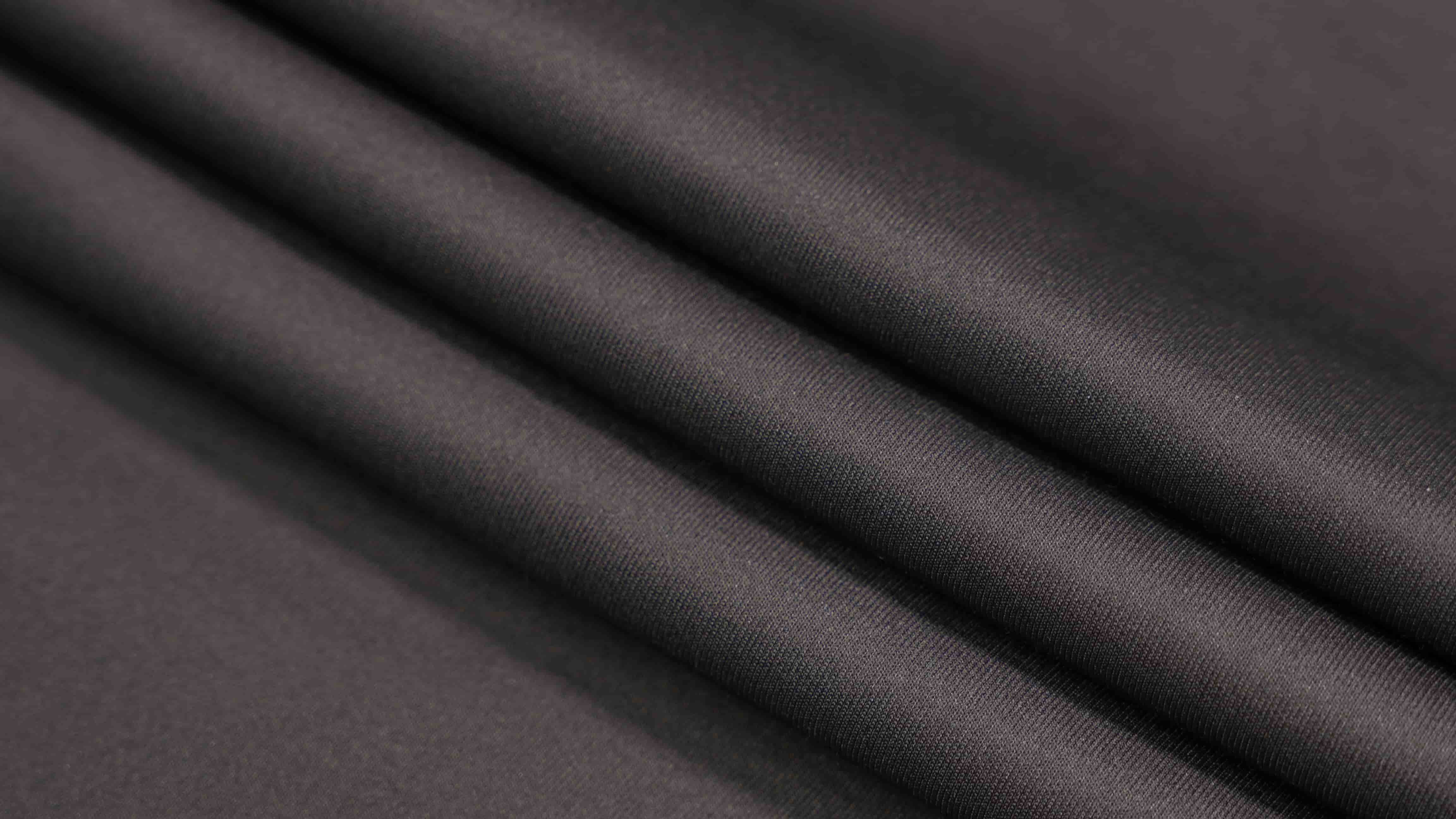
For children’s apparel brands and textile buyers, choosing the right fabric is more than a material decision — it directly affects product safety, comfort, and market competitiveness. As parents pay greater attention to skin-friendly and functional clothing, brands need fabrics that combine softness, antibacterial performance, and reliable safety compliance.
This guide explores the key advantages of antibacterial knit fabric for kids’ wear, including the role of Siro-spun long-staple cotton, antibacterial finishing technology, essential performance standards, and certification requirements. It also provides practical sourcing insights to help brands evaluate antibacterial fabric for children’s clothing and develop high-quality products for baby wear, children’s apparel, and close-to-skin applications.
1. What Makes Antibacterial Knit Fabric Suitable for Kids’ Skin?
1.1 Siro-Spun Long-Staple Cotton as the Foundation Material
The performance of kids’ wear fabric starts with the quality of its fiber and yarn construction. Siro spinning is an advanced yarn manufacturing process that combines two strands during spinning, creating a more compact structure with lower surface hairiness than conventional ring-spun yarns.
When used with long-staple cotton, such as premium cotton varieties with longer fiber lengths, Siro-spun yarn provides several advantages for children’s apparel applications:
- Reduced pilling and surface friction: The compact yarn structure helps minimize loose fiber movement, creating a smoother fabric surface that feels more comfortable against sensitive skin.
- Improved softness and smoothness: Lower yarn hairiness reduces surface roughness, helping fabrics maintain a soft hand feel during repeated wear and washing.
- Better moisture management: The balanced yarn structure supports effective moisture absorption and breathability, helping keep children’s skin comfortable during daily activities.
For brands developing baby wear, children’s clothing, and other close-to-skin products, selecting a high-quality cotton base is an important step toward achieving reliable comfort and durability.
1.2 How Antibacterial Finishing Technology Works
The antibacterial performance of antibacterial knit fabric mainly comes from specialized finishing technologies applied during textile processing. Different antibacterial systems provide different mechanisms and performance characteristics for children’s apparel applications.
Silver-ion antibacterial finishes work by releasing controlled silver ions that interfere with bacterial activity. Modern formulations are designed to maintain antibacterial performance through repeated washing while meeting textile safety requirements.
Plant-based antimicrobial finishes, including solutions derived from natural sources such as bamboo extract or chitosan, provide an alternative option for brands seeking naturally positioned textile products. These finishes help support antibacterial performance while aligning with consumer demand for safer and more sustainable materials.
Quaternary ammonium silane (QAS) finishes create a durable antibacterial layer that bonds with the fiber surface. This technology helps reduce bacterial growth through contact-based action and is widely considered for applications requiring long-lasting antibacterial performance.
For children’s clothing, antibacterial finishing should always be evaluated together with safety standards. Reliable products should maintain effective antibacterial performance while meeting requirements for chemical safety, such as controlled formaldehyde levels and skin-friendly pH values.
2. Key Performance Specifications Buyers Must Evaluate
2.1 Fabric Construction & Physical Performance Parameters
Antibacterial functionality alone does not define a high-quality antibacterial knit fabric. For children’s apparel, the base fabric construction must also provide softness, durability, comfort, and reliable performance during repeated wear and washing. When evaluating antibacterial knit fabric for kids’ clothing applications, buyers should consider the following key specifications:
- Fabric Weight (GSM): The recommended GSM range depends on the final application. For baby bodysuits, inner layers, and lightweight children’s garments, 160–200 GSM single jersey or interlock fabrics provide a balance of softness and structural stability. Heavier constructions around 220–260 GSM are more suitable for activewear and garments requiring better shape retention.
- Stretch Recovery: Children’s clothing requires sufficient elasticity to support movement while maintaining garment shape over time. A minimum of 85% elastic recovery after 50% extension (tested according to ASTM D4964) helps reduce deformation after repeated stretching and laundering.
- Breathability & Moisture Management: Breathability is a critical factor for close-to-skin applications. A water vapor transmission rate (WVTR) above 8,000 g/m²/24h helps improve airflow, reduce moisture accumulation, and enhance comfort for children with sensitive skin.
- Colorfastness Performance: Stable color performance is essential for children’s apparel because garments are frequently exposed to washing, perspiration, and friction. A minimum Grade 4 rating under ISO 105-C06 wash colorfastness testing helps minimize fading and color transfer during daily use.
By evaluating antibacterial performance together with fabric construction, buyers can ensure that their selected antibacterial knit fabric delivers comprehensive benefits, including microbial control, skin comfort, durability, and safety compliance for children’s clothing applications.
2.2 Antibacterial Efficacy Standards & Test Data
Three primary standards govern antibacterial performance claims in global textile markets:
| Standard | Method | Target Bacteria | Inhibition Threshold | Market Applicability |
|---|---|---|---|---|
| AATCC 100 | Quantitative | S. aureus, E. coli | ≥99% reduction | US, global export |
| JIS L 1902 | Quantitative/Qualitative | S. aureus, K. pneumoniae | ≥2.0 log reduction | Japan, Asia-Pacific |
| GB/T 20944 | Quantitative | S. aureus, E. coli | ≥70% (qualified), ≥99% (AAA) | China domestic market |
For children’s apparel fabric suppliers targeting multi-market distribution, specifying a fabric that achieves inhibition rate ≥99% under AATCC 100 while maintaining this performance after 50+ wash cycles (per ISO 6330 domestic laundering protocol) provides the broadest compliance coverage. Third-party certification from accredited laboratories — SGS, Intertek, or Bureau Veritas — is the minimum evidentiary standard buyers should require before issuing purchase orders.
3. Compliance & Certification Requirements for Children’s Apparel
3.1 Global Regulatory Standards for Kids’ Fabric
Children’s textiles are subject to some of the strictest chemical safety requirements in the apparel industry, especially for products designed for direct skin contact. For brands sourcing antibacterial knit fabric for children’s clothing, regulatory compliance is not only a quality indicator but also a key requirement for entering international markets.
The following standards are commonly evaluated by global buyers:
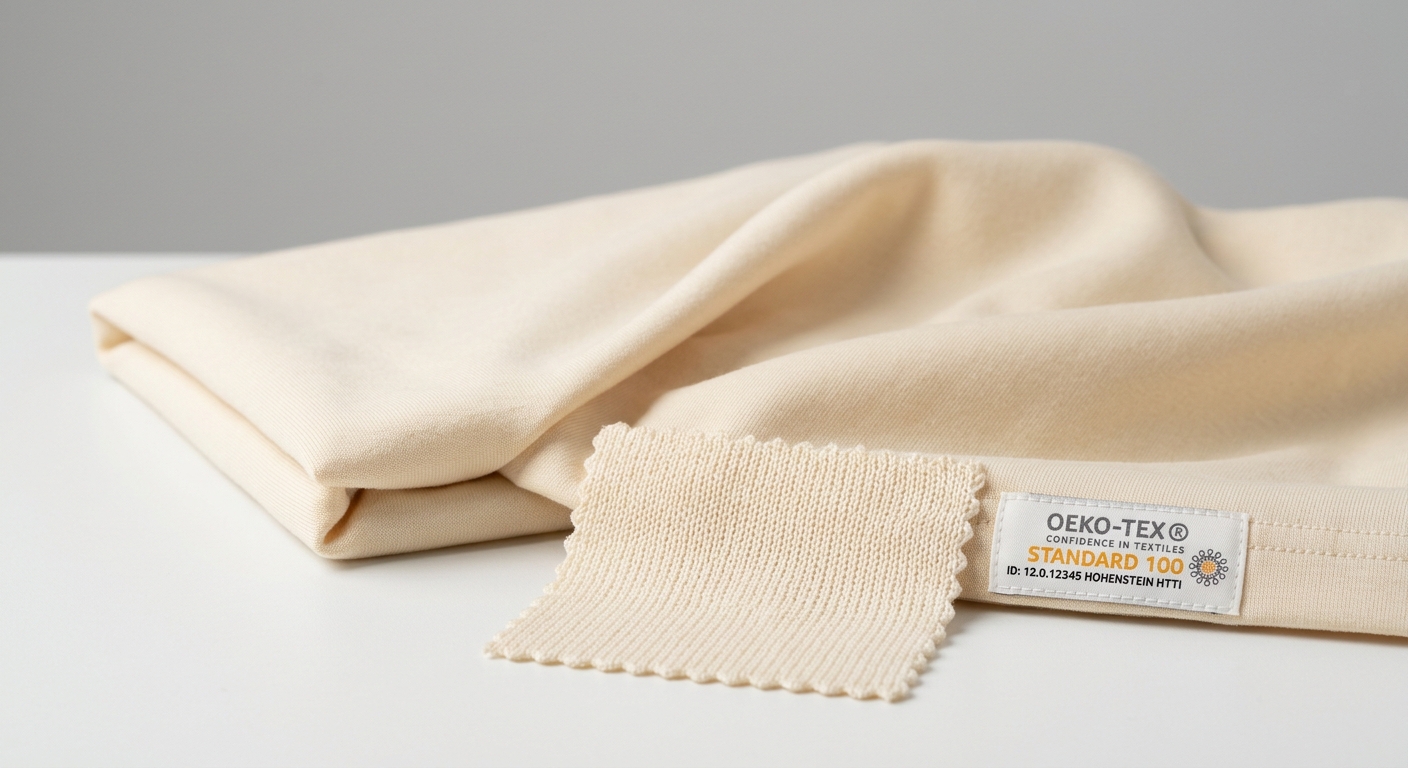
OEKO-TEX STANDARD 100 (Product Class I):
Widely recognized as one of the most important safety certifications for baby and children’s textiles. Product Class I applies to items intended for infants and toddlers up to 36 months and evaluates harmful substances, including formaldehyde, heavy metals, pesticides, and allergenic dyes. Key requirements include formaldehyde levels ≤20 mg/kg and a skin-friendly pH range of 4.0–7.5.
EU REACH Regulation:
REACH compliance is essential for products entering the European market. It restricts substances of very high concern (SVHCs) in textile products, including certain heavy metals, restricted chemicals, and azo dyes. Suppliers of antibacterial knit fabric should ensure that any antimicrobial finishing agents used are evaluated against REACH requirements.
GB 18401 Class A (International Safety Standard):
For premium children’s textiles, international Class A requirements apply to infant products with direct skin contact. The standard covers key safety indicators such as formaldehyde content, pH value, and colorfastness performance, helping ensure suitability for sensitive skin applications.
Before placing bulk orders, buyers should verify that the antibacterial finishing system used in antibacterial knit fabric complies with the regulations of each target market. Certification should apply to the actual fabric and finishing process rather than only the raw material.
3.2 How to Verify Supplier Compliance Credentials
Certification documents provide an important reference, but they should be supported by detailed verification during supplier evaluation. A reliable antibacterial knit fabric supplier should be able to provide transparent quality documentation, testing records, and production traceability.
Key verification steps include:
- Test Report Validation: Request test reports issued within the latest 12 months and confirm that they correspond to the actual fabric construction, colorway, and antibacterial finishing process being purchased. Generic reports from unrelated materials should not be accepted as proof of compliance.
- Fabric Traceability: Verify fiber sources, production records, and finishing details. For fabrics using long-staple cotton, buyers should request relevant fiber documentation, while antibacterial finishes should be supported by safety data sheets (SDS) identifying the active ingredients.
- Supplier Compliance Audit: Evaluate the supplier’s chemical management practices, including chemical storage, wastewater treatment, and restricted substance control systems. This is especially important when antimicrobial technologies involve silver-based compounds or QAS finishing agents.
- Batch Testing Requirements: Establish pre-shipment inspection procedures covering key indicators such as formaldehyde, pH value, colorfastness, and antibacterial performance. Batch-level verification helps ensure production consistency and reduces quality risks.
By combining certification review with supplier verification, buyers can select antibacterial knit fabric solutions that meet safety expectations, regulatory requirements, and long-term product development goals.
4. Application Scenarios & Commercial Value for Brands
4.1 Target Product Categories & End-Use Applications
Antibacterial knit fabric provides functional and commercial advantages across multiple children’s apparel categories. By combining soft cotton comfort, microbial control, and skin-friendly performance, this fabric helps brands develop products that meet growing expectations for safety, hygiene, and everyday wearability.
Key application areas include:
- Baby Bodysuits & Infant Sleepwear:
The combination of Siro-spun long-staple cotton softness and antibacterial finishing helps address two major concerns in infant apparel: sensitive skin comfort and freshness during extended wear. The smooth fabric surface and odor-control properties make it suitable for products worn close to the skin, including bodysuits, pajamas, and sleep sets. - Kids’ Activewear:
Children’s activewear requires fabrics that can manage moisture, maintain comfort, and reduce odor caused by bacterial growth. Antibacterial knit fabric helps improve garment freshness during sports activities, school programs, and frequent daily use while maintaining the flexibility required for children’s movement. - School Uniforms:
As schools and institutions place greater emphasis on hygiene and long-lasting garment performance, antibacterial textiles are becoming an attractive option for uniform programs. Fabrics with verified antibacterial performance can support easier garment maintenance and improved wearing comfort. - Close-to-Skin Base Layers:
For outdoor clothing and winter layering systems, antibacterial knit fabric combines moisture management with microbial control to enhance comfort during extended wear. This makes it suitable for thermal underwear, inner layers, and seasonal children’s apparel.
4.2 Sourcing Advantages & Brand Differentiation Value
From a sourcing perspective, selecting the right antibacterial knit fabric supplier can provide brands with advantages beyond material performance, including customization flexibility, production reliability, and stronger market positioning.
Key commercial benefits include:
- Private Label & Custom Development Capability:
Experienced suppliers can support customized GSM, colors, fabric structures, and antibacterial finishing options. Flexible MOQ programs, often starting from 300–500 kg per colorway, allow emerging brands and seasonal collections to develop differentiated products with lower inventory risk. - Stable Production & Supply Coordination:
Suppliers with integrated spinning, knitting, dyeing, and finishing capabilities can improve production consistency and reduce coordination challenges compared with multi-stage sourcing models. Typical repeat-order production cycles can reach approximately 25–35 days, depending on specifications and order volume. - Premium Product Positioning Potential:
Certified antibacterial fabric enables brands to create stronger value propositions around hygiene, comfort, and skin safety. In children’s apparel markets, these functional benefits can support premium product positioning compared with conventional cotton alternatives, especially in infant and sensitive-skin categories.
For brands developing children’s apparel collections, partnering with an experienced antibacterial knit fabric supplier helps transform technical fabric advantages into marketable product value while ensuring consistent quality and compliance.
FAQ
Q1: How many wash cycles can antibacterial finishing on kids’ knit fabric maintain its performance?
High-quality antibacterial knit fabric can maintain effective antibacterial performance after repeated washing when finished with durable technologies such as bonded QAS or integrated antimicrobial systems. Buyers should request ISO 20743 or AATCC 100 test reports with wash durability data.
Q2: What certifications should I require from a children’s apparel fabric supplier?
For global markets, buyers should prioritize OEKO-TEX STANDARD 100 Class I, REACH compliance, and relevant antibacterial testing reports. For US markets, CPSIA-related testing may also be required depending on the final product category.
Q3: Is Siro-spun antibacterial fabric suitable for newborn and infant clothing?
Yes, Siro-spun long-staple cotton with verified antibacterial finishing can be used for newborn products. Buyers should confirm OEKO-TEX Class I certification, finishing safety data, and direct-skin-contact compliance before production.
Q4: What GSM is recommended for antibacterial knit fabric used in children’s clothing?
The ideal GSM depends on the application. Lightweight baby garments typically use 160–200 GSM, while activewear and thicker children’s apparel often require 220–260 GSM for better durability and shape retention.
Q5: How can brands customize antibacterial knit fabric for different kids’ apparel products?
Suppliers can usually customize GSM, colors, fabric structures, and antibacterial finishing options based on product needs. Discussing application requirements early helps ensure the right balance of comfort, performance, and production efficiency.
Q6: How do I choose a reliable antibacterial knit fabric supplier?
A reliable supplier should provide fabric samples, technical specifications, certification documents, and third-party testing reports. Production experience, quality control systems, and customization capability are also important factors for long-term cooperation.
Conclusion
Antibacterial knit fabric combines skin-friendly comfort, functional protection, and compliance-ready performance, making it an ideal choice for modern children’s apparel. With a Siro-spun long-staple cotton foundation and reliable antibacterial finishing, it delivers softness, durability, odor control, and safety performance required for baby wear, activewear, and close-to-skin garments.
For brands and buyers, selecting the right fabric means evaluating yarn quality, antibacterial durability, certifications, and supplier capabilities. Partnering with an experienced antibacterial knit fabric supplier can help develop safer, higher-value children’s apparel collections with consistent quality and customization support.
Contact Design Park BD to request samples, review technical specifications, and explore customized fabric solutions for your next kids’ apparel project.